
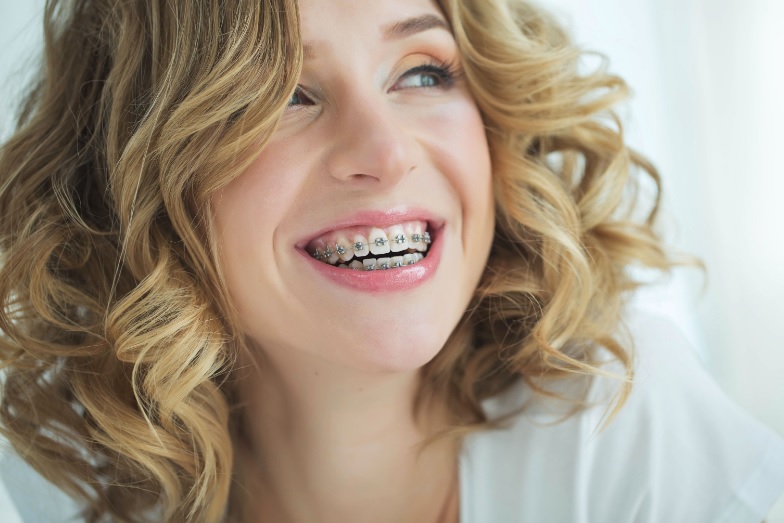
Braces are among the more expensive dental treatments, in part because treatment runs over a long period and involves regular appointments, appliance components and adjustments.
Treatment time is a significant factor in braces cost, as appliances are commonly worn for around 18 months to three years depending on the case. Maintenance also affects the total, as repairs are sometimes needed. Below is general information about braces cost in Sydney and what influences it.
What do braces cost in Sydney?
Published price guides for orthodontic treatment in Sydney commonly range from about $7,000 to $15,000. These are indicative figures from published sources rather than quotes, and fees differ between practices and between cases.
Depending on your clinical situation, Invisalign or fixed braces may be options. Comparing Invisalign and braces costs is reasonable, but the appliances are not interchangeable and suitability is a clinical decision, not a budget one.
Every case is different. Some patients need a more extensive treatment plan, which increases both the time involved and the cost.
Fees at North Sydney Dentistry
Clear aligner treatment is available with a payment plan from $25 per week. That is a repayment amount, not the total treatment fee. Approval is subject to that provider’s eligibility criteria.
Fixed braces are provided at our other practices: Sydney CBD Dentistry, Hornsby Dental and North Ryde Dentistry. Fees there start from $4,500 and range to $6,000 or more depending on the complexity of the case.
A written quote specific to your case is provided after examination.
View our Invisalign package here.
Rebates and funding
Orthodontic treatment is generally not covered by Medicare except in limited circumstances. Some private health insurance extras policies include an orthodontic benefit, typically with waiting periods, annual limits and a lifetime limit that may cover only part of the total fee. Benefits vary considerably between funds and policies, so check directly with your fund before starting.
Adult orthodontic treatment is treated the same way as treatment for younger patients by most funds, subject to the policy’s own limits. Any suggestion that cover depends on age should be checked against your specific policy rather than assumed.
Managing the cost
Payment plans, health fund benefits and staged treatment planning are the usual ways of managing the cost. Your dentist can explain which apply to your case.
Following the instructions you are given during treatment, including wearing aligners or elastics as directed and maintaining oral hygiene, helps treatment progress as planned and reduces the likelihood of complications, breakages and additional appointments.
Risks worth knowing about
Orthodontic treatment carries risks, including discomfort, ulceration of the lips and cheeks, decalcification and decay around appliances where oral hygiene is not maintained, shortening of tooth roots, gum recession, and relapse if retainers are not worn afterwards. Treatment may take longer than estimated and some cases require extractions or further procedures. These should be explained to you in full before you agree to treatment.